


A relaxing retirement? Not exactly
A relaxing retirement? Not exactly
Usually, when people think of retirement, they think of taking it easy, traveling, or pursuing a passion. Hard work and challenging obstacles, typically, are not what people have in mind. In the case of NRG’s multiple power plants in Illinois, the latter is exactly what retirement means.
Just recently, was the last day of operations at our Joliet station as NRG officially retired the remaining two units. The Joliet station had been keeping the lights on for homes and businesses in the region since 1966.
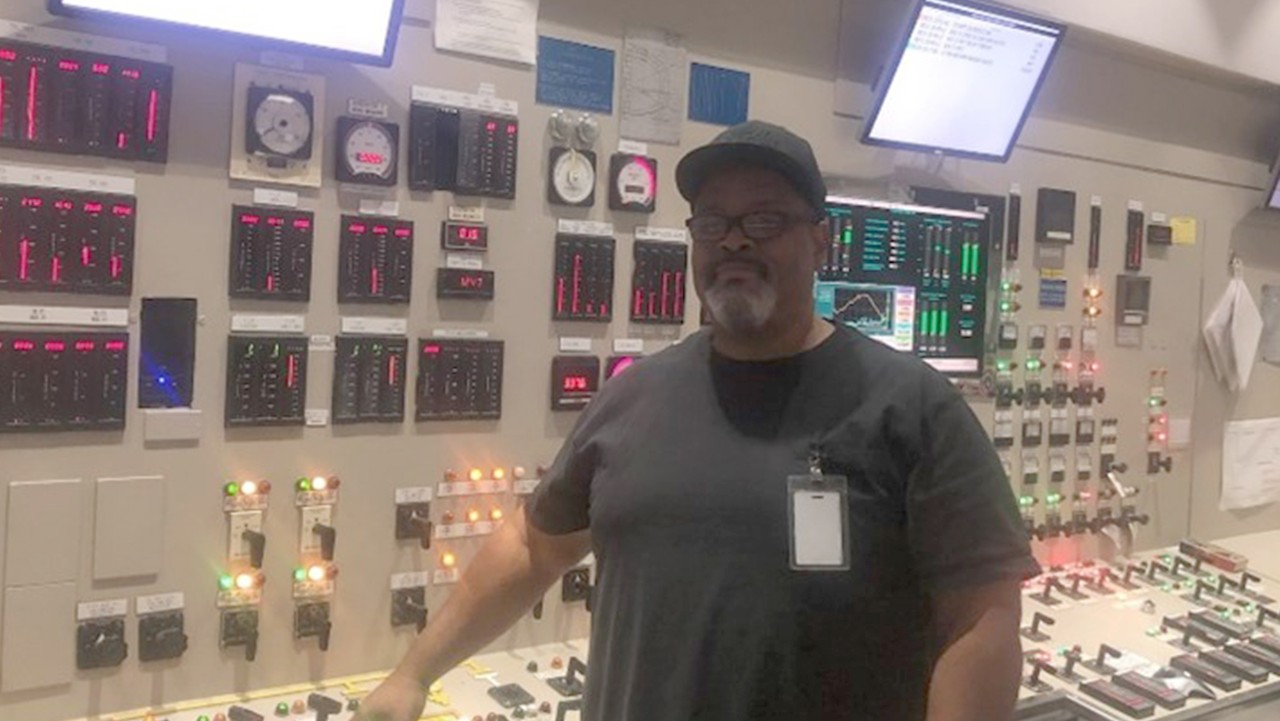
Officially turning off unit 7 at Joliet station for the final time.
Last summer NRG retired several of its other Illinois power plants, including the Waukegan and Will County coal plants. A series of complicated and lengthy regulatory and legal procedures are required. But once those are completed, turning off a power plant is almost as simple as flipping a switch, as we documented here at Waukegan in May 2022.
Now, though, NRG must decommission each site. That is not simple at all. In brief, in the case of Waukegan and Will County, decommissioning means many of the structures will be dismantled, ensuring the site is safe and secure, and preparing the land for future potential productive use. It can take years. Factors like weather and unforeseen interruptions can affect the timing.
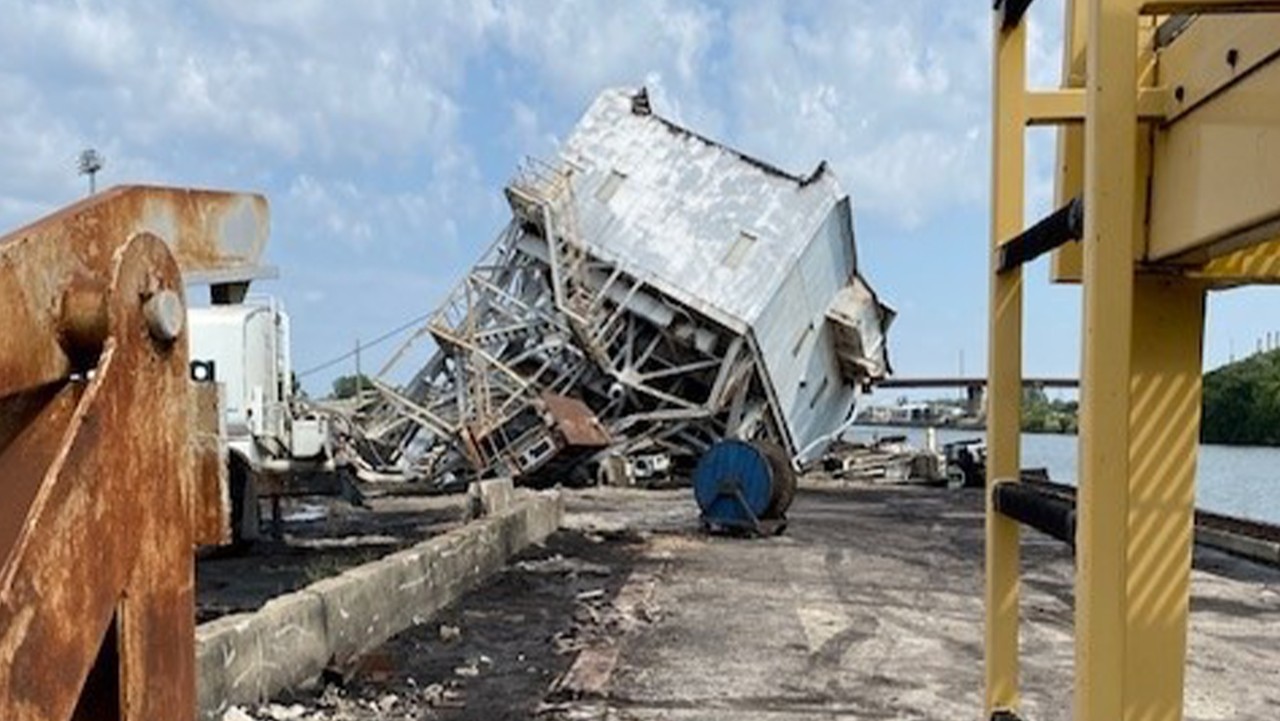
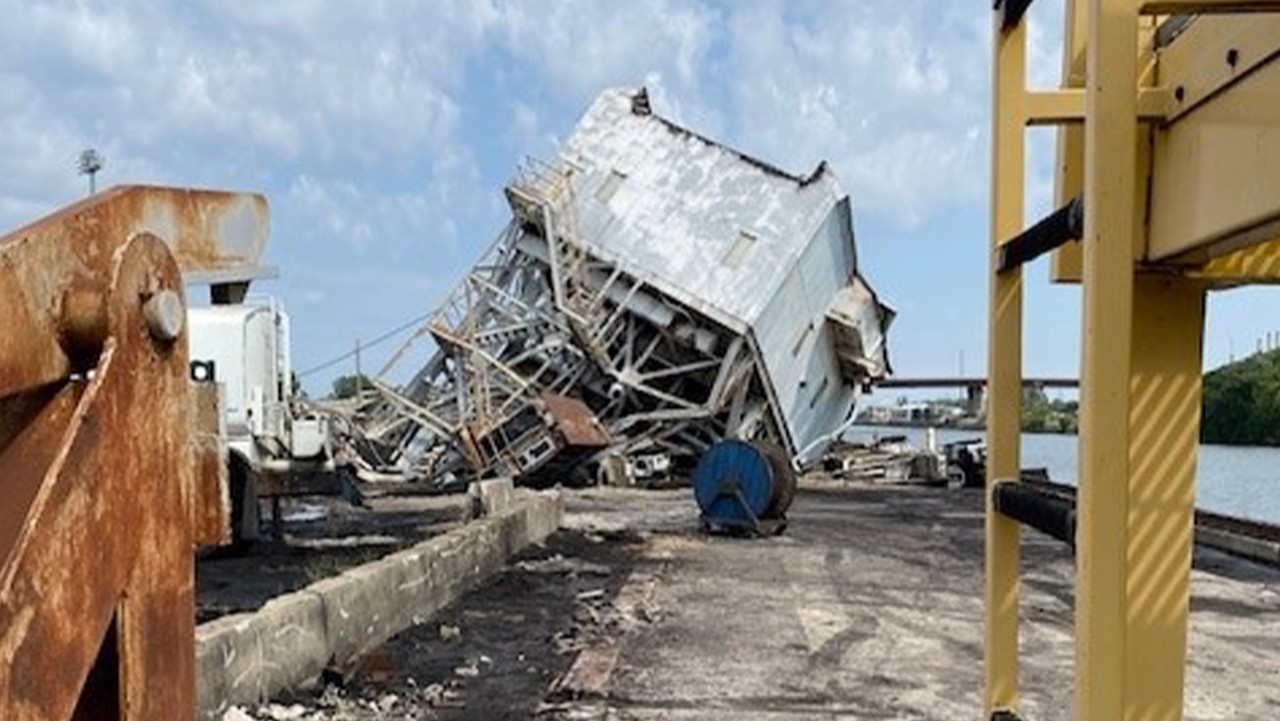
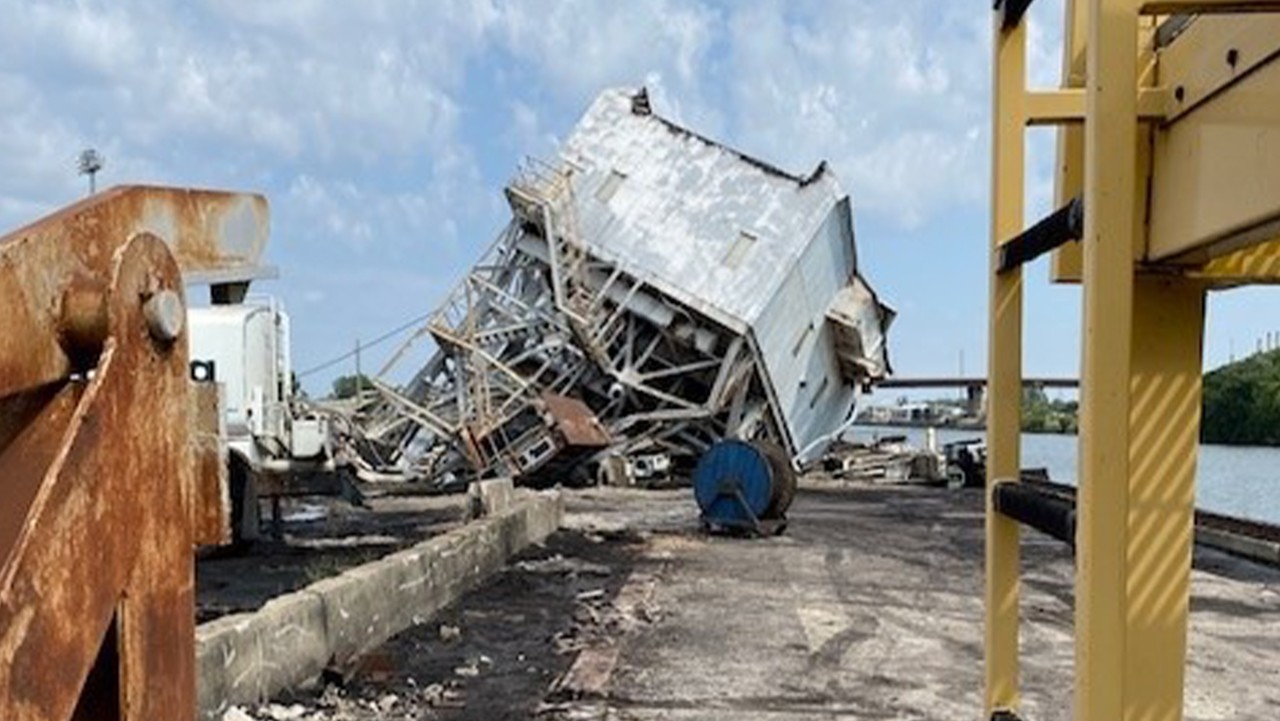
The 71-year-old South Barge Unloader at the Will County Generating Station comes down during decommissioning.
This summer, for example, some fine feathered friends paid a visit to our Waukegan station. Four endangered piping plovers were spotted on the beach on the outer limits of the property. The birds are part of a federal program to increase the piping plover population. They spent several weeks at the plant. Daily, plant employees assisted members of federal, state, and local agencies, including the Audubon Society, as they monitored the birds. Our employees were fascinated, happy, and grateful to help. The full story was captured by a local newspaper.
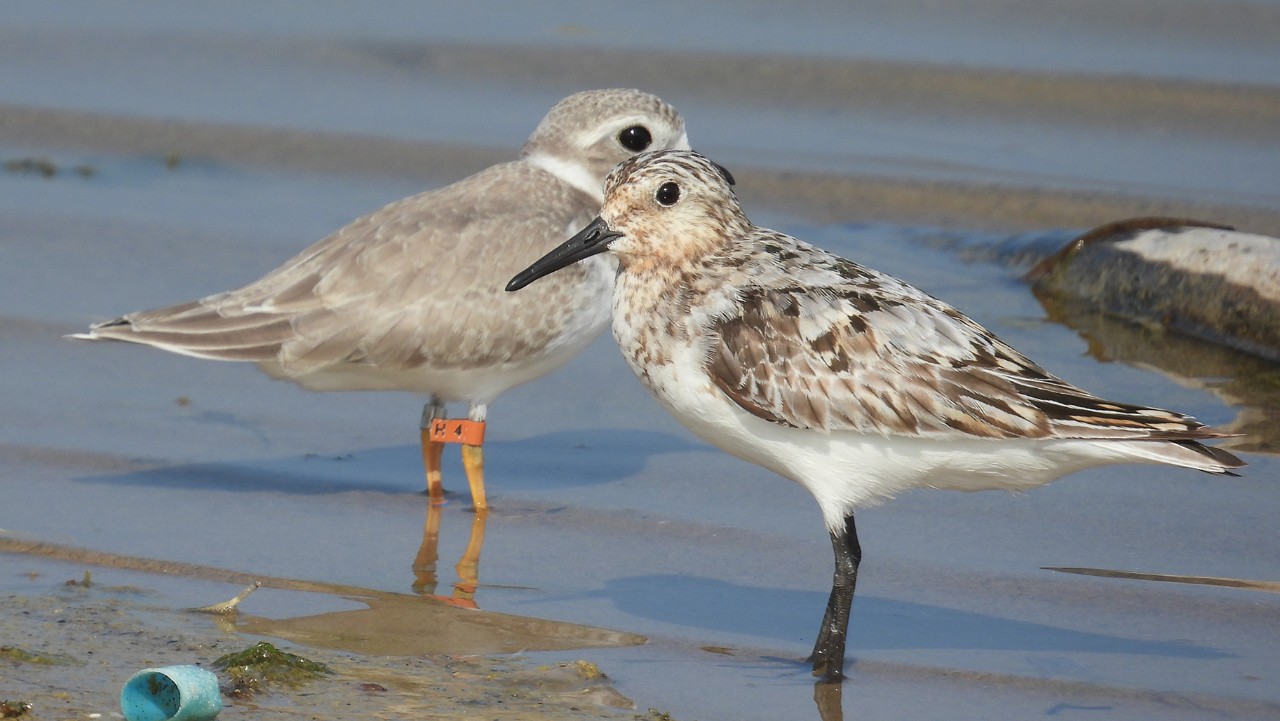
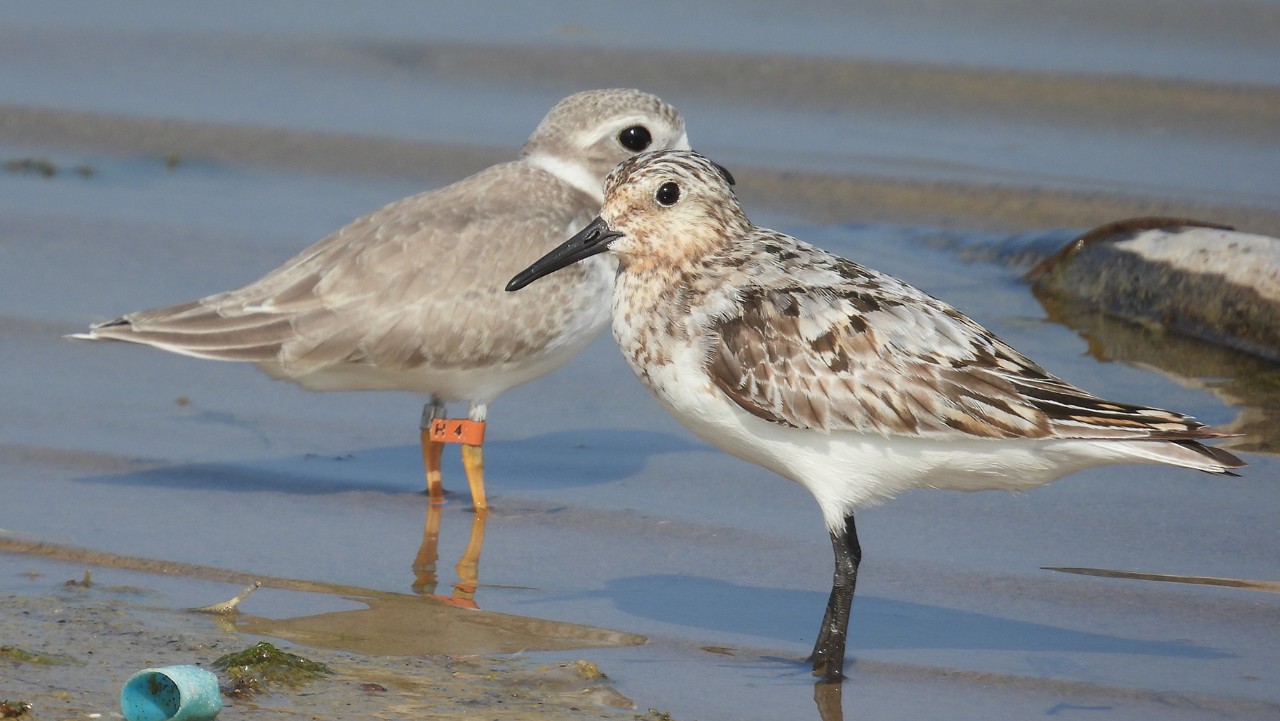
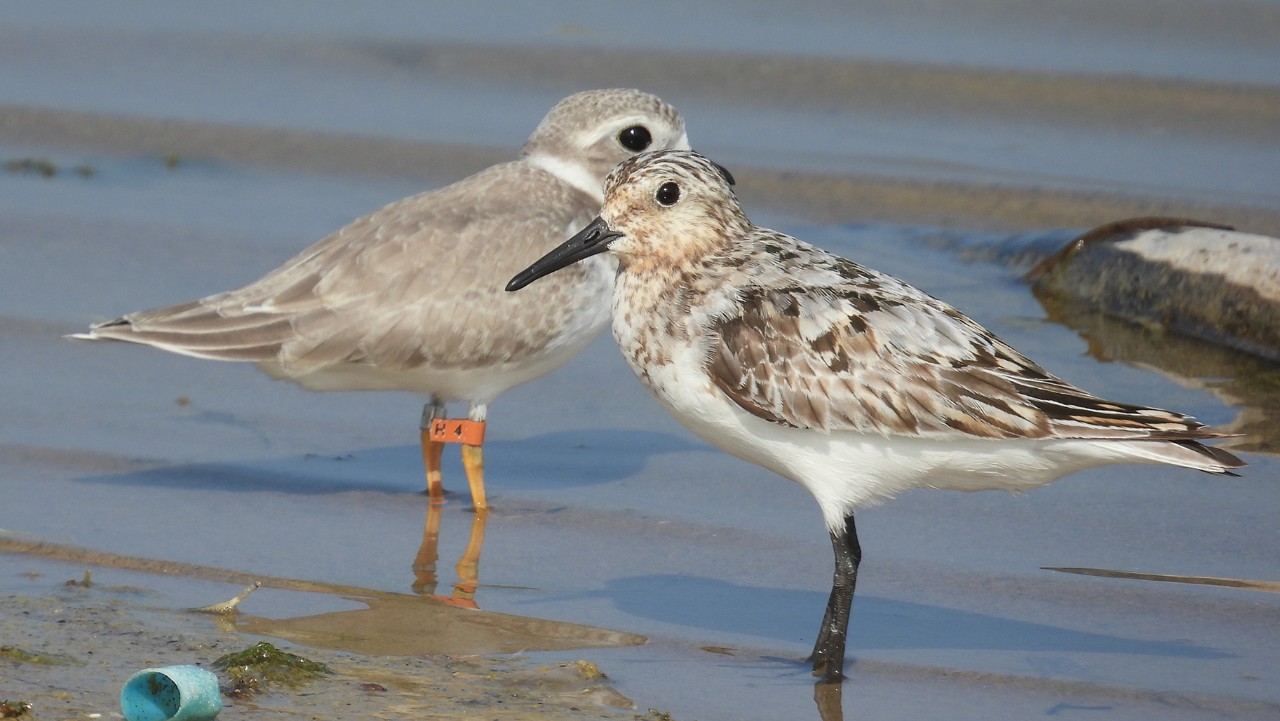
Two of the piping plovers at Waukegan over the summer. Credit: Lake County Audubon Society
Earlier in the summer, decommissioning plans for NRG’s Will County site had to be altered to accommodate a family of osprey that took up residence on the top of a pole smack dab in the middle of the plant. The plant is ideal for osprey because of its proximity to the Des Plaines River and ample fish. While the work to decommission the site would be affected, NRG’s value of environment over production took precedence. So, for weeks, employees and outside experts observed the threatened species and worked to ensure they were not disturbed. The osprey thrived. Their story was also told by a local newspaper.
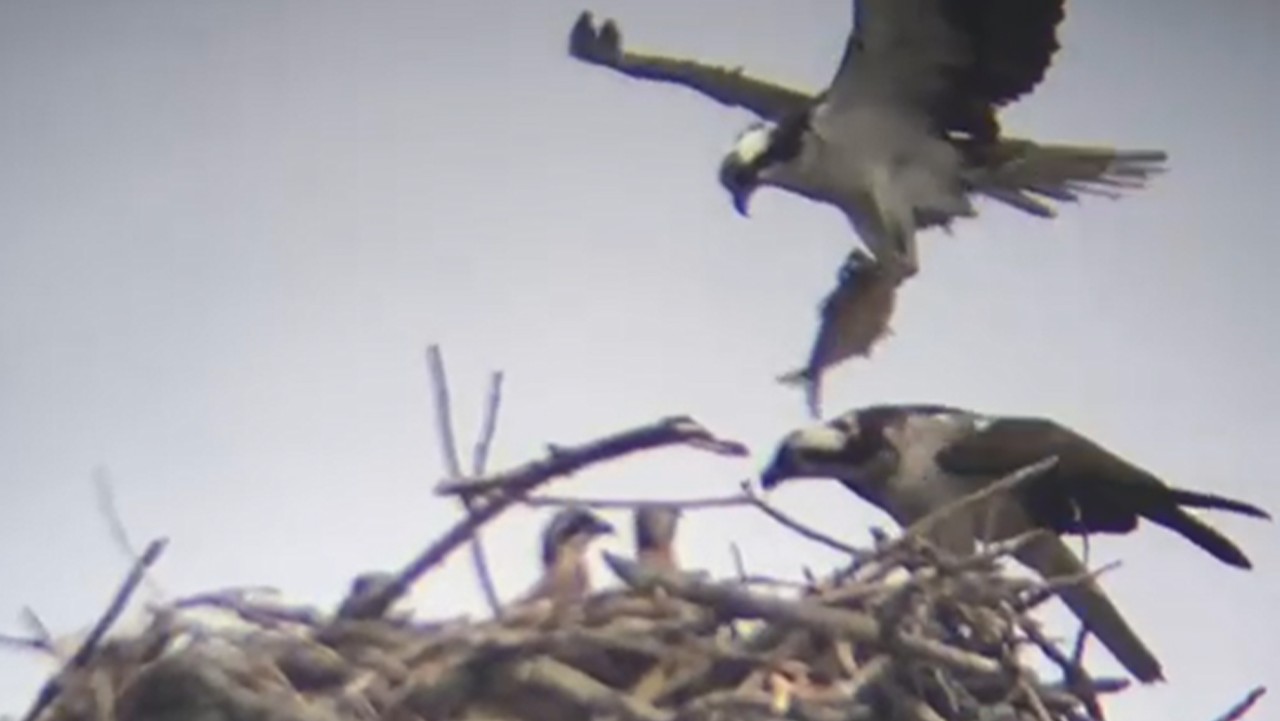
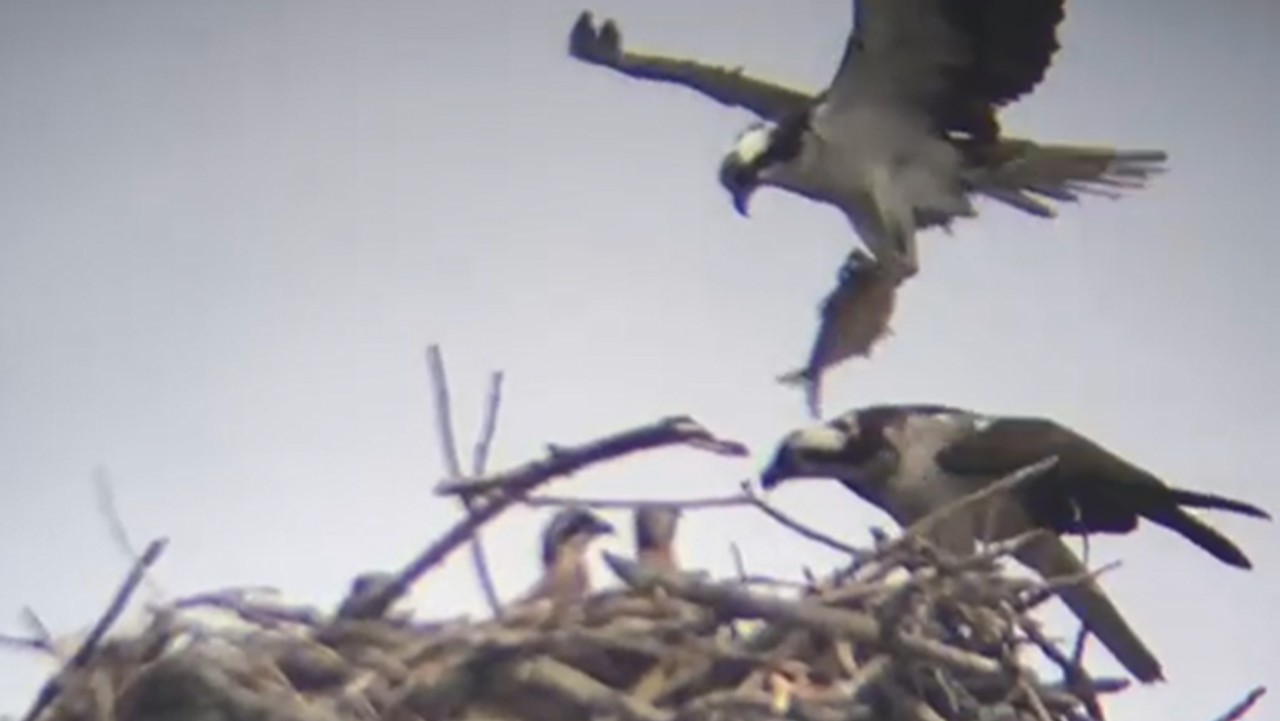
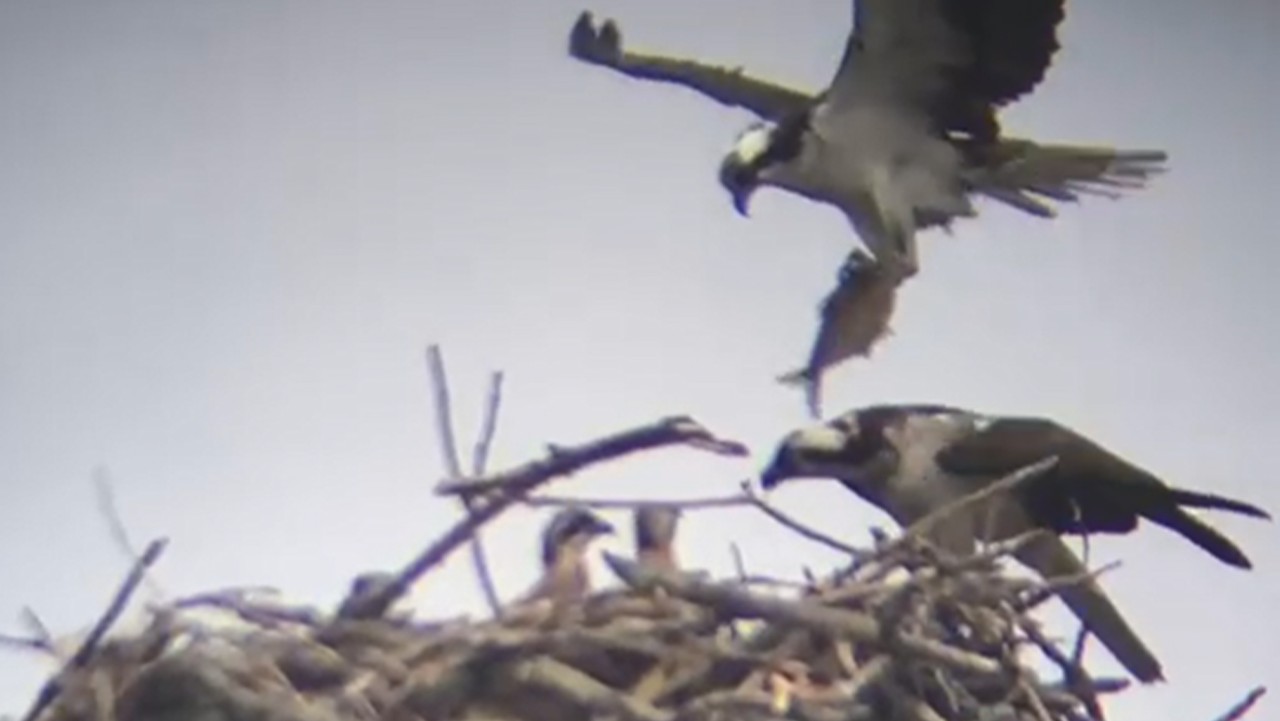
Dad brings a fish from the Des Plaines River to feed the hatchlings. Credit: Civil and Environmental Consultants
Meanwhile, not far away, a new exhibit opened at the Will County Historical Museum and Research Center, which featured many artifacts, photos, and original renderings of the plant. The plant manager and some former employees donated them. They wanted to preserve the plant’s 70-year legacy of keeping the lights on for hundreds of thousands of homes and businesses and for being a source of pride and jobs in Will County and beyond. In addition, two of the plant’s locomotives used to bring coal railcars onto the property were donated to nearby nonprofits. You can view a video about both donations here.
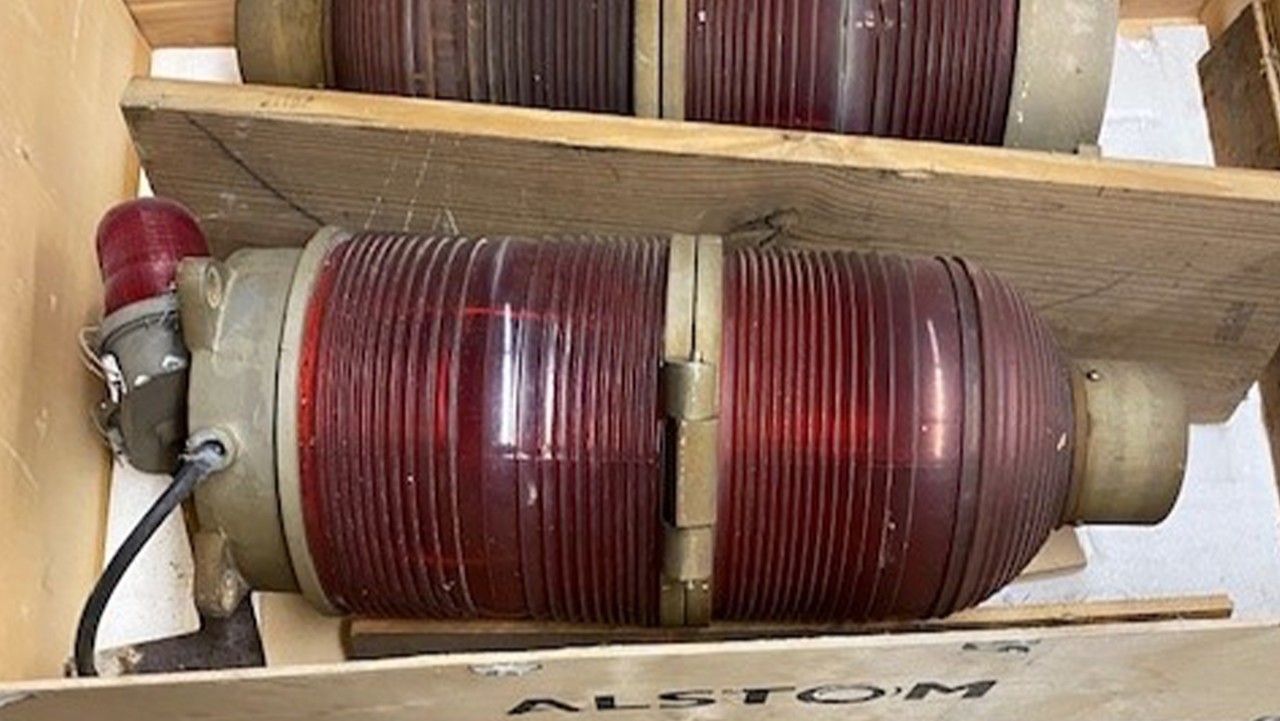
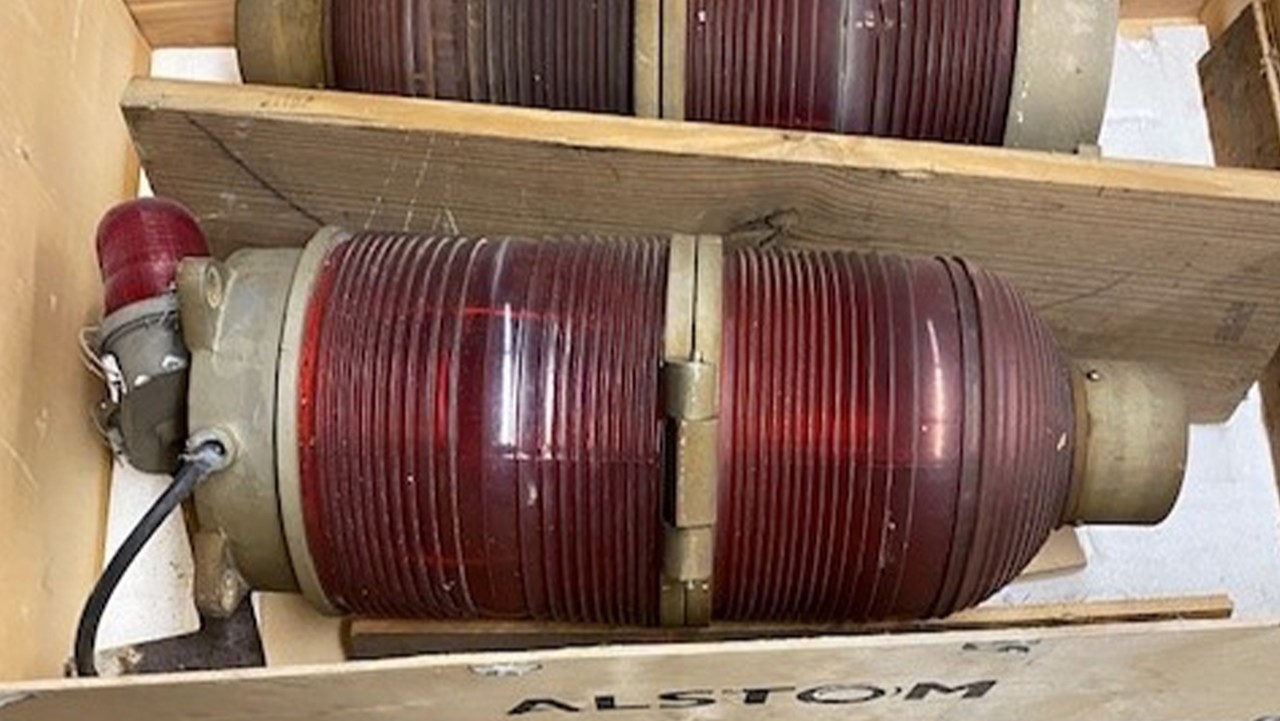
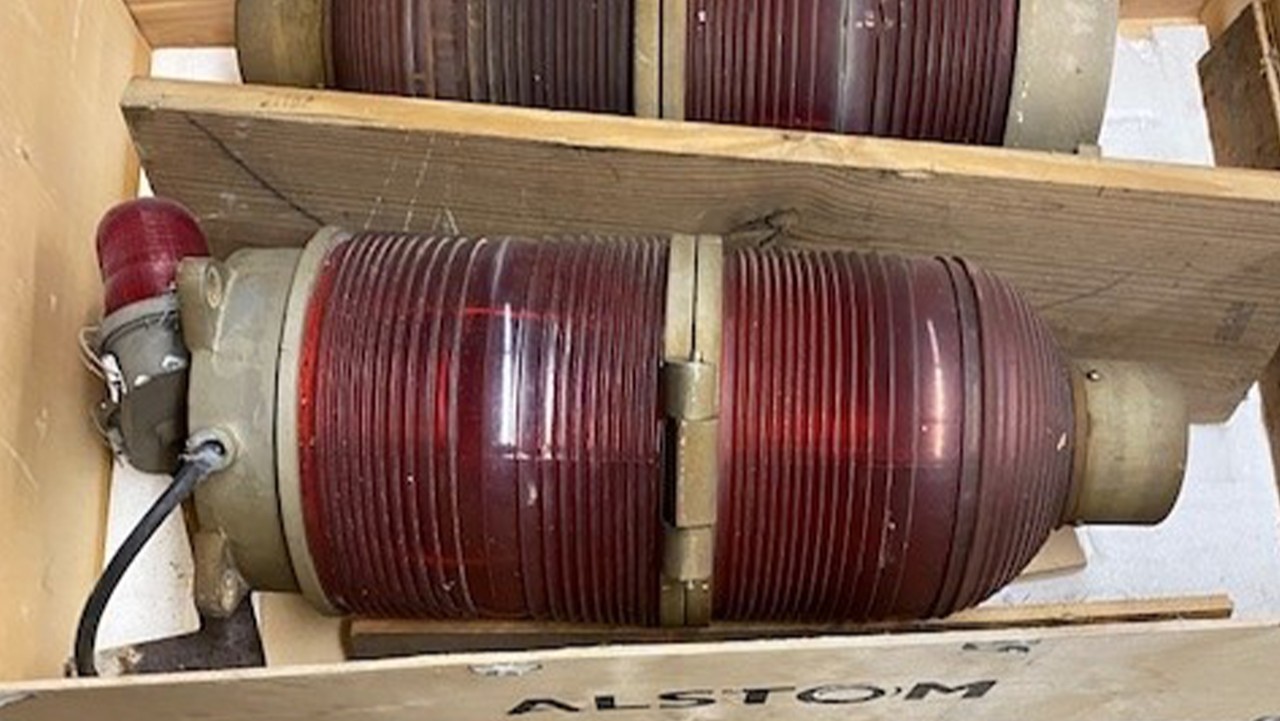
Two lights used for aircraft warming from the top of the stacks at the Will County Generating Station. These were among the items donated to the Will County Historical Museum.
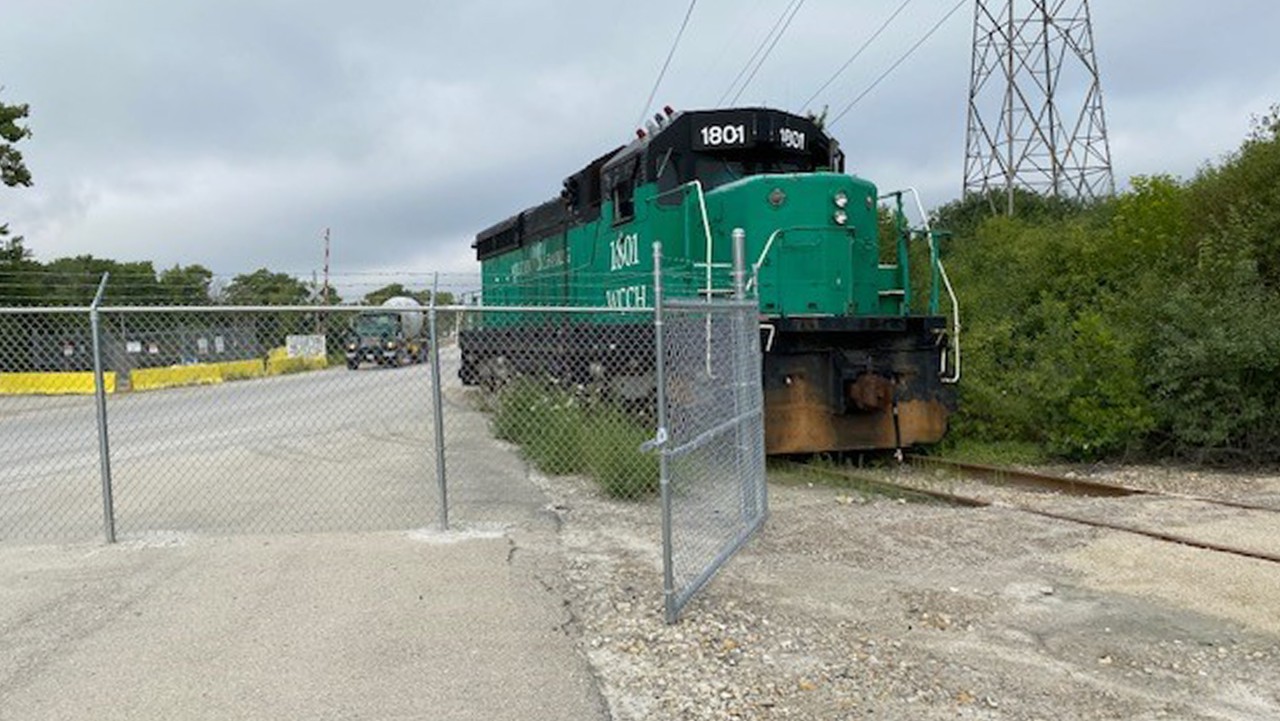
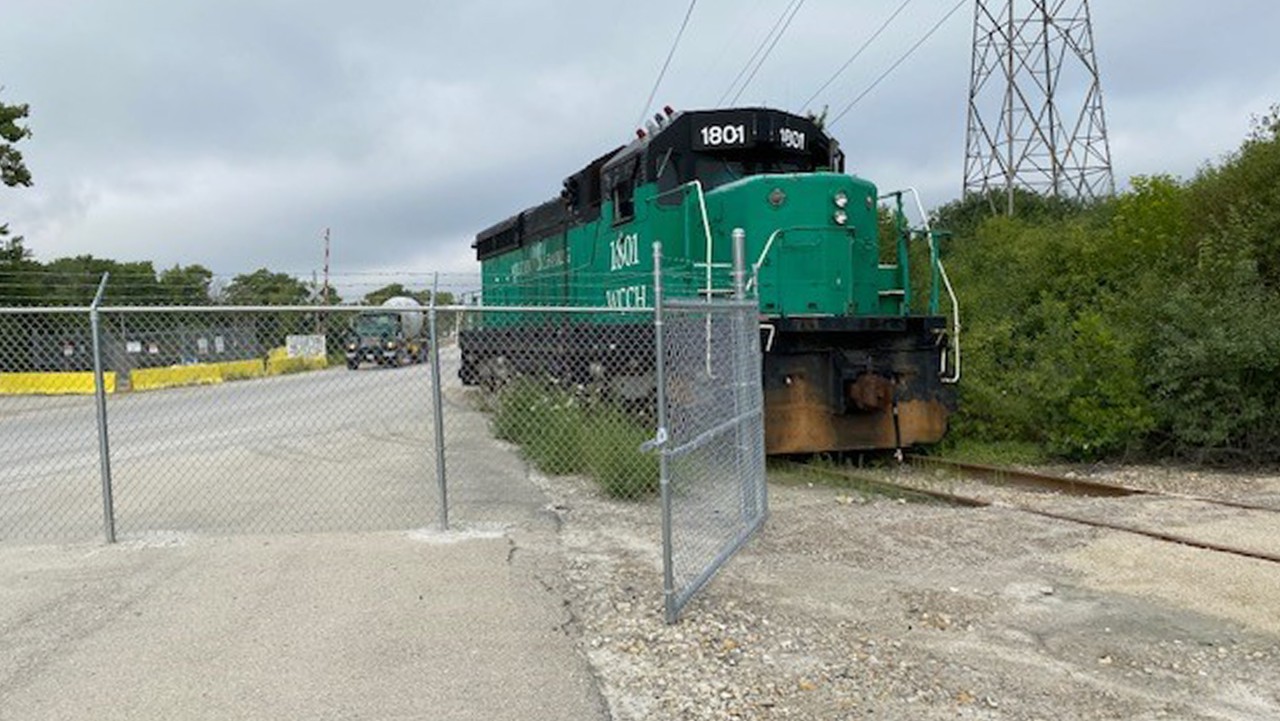
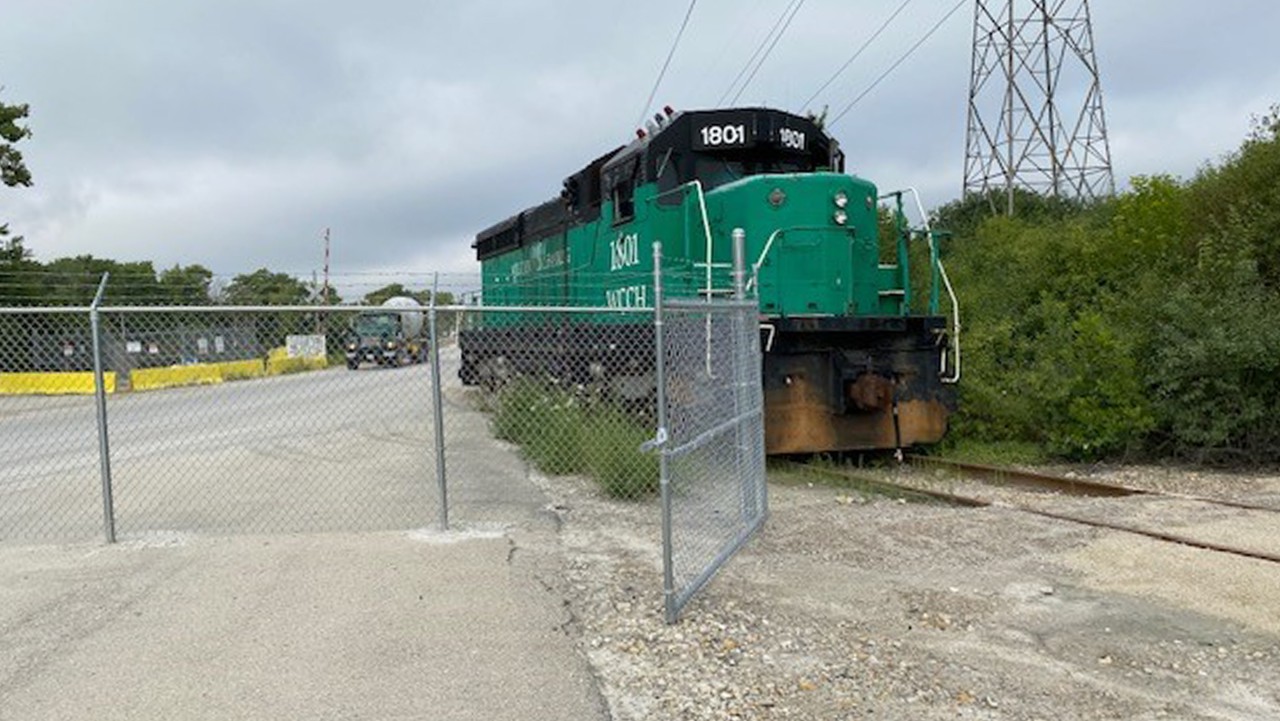
Will County Coal Handling Locomotive 1801 leaving the Will County Generating Station on its way to the Romeoville, IL fire department where it will be used for emergency response training.
In addition to the decommissioning process, NRG is exploring using portions of the Waukegan and Will County sites for battery storage to support renewable energy projects that will help Illinois achieve its aggressive green energy goals. It’s all part of NRG’s commitment to the environment and being a part of the transition to renewable energy



Share on